Orange Oil – Mexican
Full Market History
Grapefruit production outlook is mixed by region, with Florida volumes projected lower year on year while California and Mexico are slightly improved.
Key lime oil supply is currently tight, particularly in organic grades, where no additional availability is expected until the next season. Peru is in peak production, though logistics and vessel capacity remain a constraint for exports.
Spanish supply is tight, with more fruit diverted to fresh channels and higher oil pricing reported. Replacement costs are rising, and buyers should expect firmer offers and reduced flexibility on forward pricing.
Mexican lime oil is transitioning between winter and summer crop cycles, with the larger summer harvest expected earlier than usual.
Argentina’s lemon crop finished slightly below average, with new oil availability expected from April.
Brazil’s orange harvest is nearing completion with final volumes tracking below early forecasts. Fruit pricing has softened recently, and juice yields remain good.
Mexican production is steady with Valencia fruit now entering the cycle. Market tone is mixed to firm depending on specification and origin.
Farmers have replaced the citronella plantations with more profitable crops. The remaining plots were flooded and destroyed during the last Monsoon. No availability from source at the moment, prices are firm.
The 2025 season in Sri Lanka was significantly disrupted by severe flooding caused by Cyclone Ditwah and the Northeast Monsoon. Heavy rainfall, in some areas exceeding 250 to 300 mm within a single day, resulted in widespread damage to agricultural regions and infrastructure. As the season comes to an end, this has tightened bark availability and increased pressure on production costs. International buyer demand remains subdued, reflecting cautious procurement strategies, but further upward pressure in input prices is expected in the coming months due to seasonal supply limitations.
Prices remain firm since availability is limited. The rainy season is strong, and flooding has been reported to damage several crops.
The 2025 season in Sri Lanka was significantly disrupted by severe flooding caused by Cyclone Ditwah and the Northeast Monsoon. Heavy rainfall, in some areas exceeding 250 to 300 mm within a single day, resulted in widespread damage to agricultural regions and infrastructure. As the season comes to an end, this has tightened bark availability and increased pressure on production costs. International buyer demand remains subdued, reflecting cautious procurement strategies, but further upward pressure in input prices is expected in the coming months due to seasonal supply limitations.
The crop was late and 10% below average. No carry overs from previous year and strong opening market. Ramadan is early this year so Middle East market has opened very strong. Yields are below average. Prices remain strong.
Remaining firm after small crop in November.
The last crop in October was the second consecutive year with low yields. Prices remain firm as availability diminishes.
The crop was average, but yields are low. No carry overs from last year. Prices have softened a little but with tariffs, prices are above Guatemala.
Poor crop and increased demand from China putting pressure on availability and quality.
Increased demand for fresh ginger in the global market has left little quantities for oil production. Prices are firm and preferred quality is limited.
Crop was 15% shorter and growth in the fresh market has put pressure on price. Variable quality in the market.
The crop season has started slowly due to low global demand. Prices are stable.
After a roller-coaster during 2025 prices have ease finally but it is too low for farmers to break even and are replacing the crop with more profitable crops like corn, cocoa and palm oil.
Poor crop and increased demand from China putting pressure on availability and quality.
Limited availability. Quality challenges and prices are increasing. Floods in Sumatra affected the production in that area.
Poor crop and increased demand from China putting pressure on availability and quality.
Cedarleaf oil supply is stable. Availability is steady, with no reported disruptions.
Heliotropine supply remains tight. Demand continues to be strong, and availability is limited.
Buchu oil availability is stable. Demand is steady, and supply remains reliable.
Palmarosa oil availability is limited. The rainy season has started diminishing yields and prices are high.
Citronella oil supply is limited. Farmers have removed plantations to grow more profitable crops. Demand is high and prices continue to firm.
Menthol crystal supply is sufficient, with steady demand. Buyers are cautious in forward commitments due to tariff uncertainty.
Anise oil is stable. The new crop is beginning; Berjé will continue to monitor and report.
Iso eugenol supply is adequate, with demand stable across markets. Availability remains consistent.
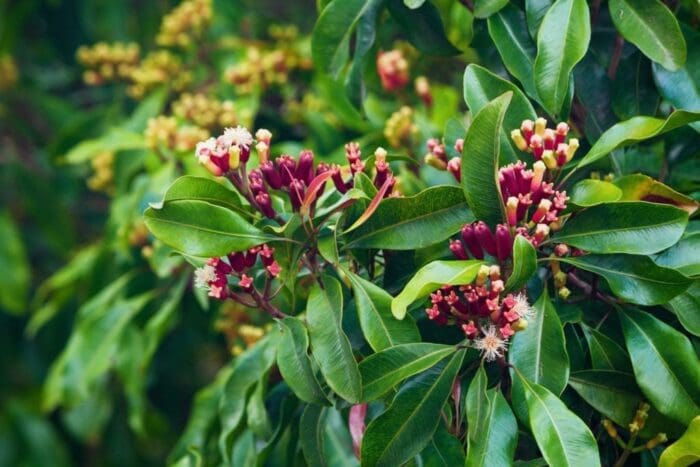
As the rainy season begins in Indonesia, clove leaf oil (CLO) production drops due to wet conditions. This makes leave collection and drying difficult. In Madagascar, CLO production also declines but this is due to farmers shifting focus to harvesting more valuable clove buds from October to March. Overall, CLO output is expected to fall in both countries, likely keeping prices high through to the end of the year, depending on stock levels and global demand.
Petitgrain supply is stable. No major disruptions reported.
Rose oil remains volatile. Supply is limited, and demand is strong.
Lavandin oil grosso supply is stable, with steady demand. Pricing is unchanged.
Bulgarian lavender availability is reduced following lower yields. Supply is tight and closely monitored.
White grapefruit oil is scarce. Availability remains very limited.
Red and pink grapefruit oil markets are active. U.S. supply is steady, and Mexico’s season has begun, providing some additional availability.
Mexican distilled lime oil availability is starting as we are entering the second crop.
Argentinian lemon oil supply is tight, with processors continuing to prioritise shipments to the U.S. market. Overall availability remains limited.
The orange terpenes market is firm.
The Mexican orange oil market is stable. Fruit volumes are strong, though oil availability remains limited. Higher aldehyde levels are consistent, and demand is steady.
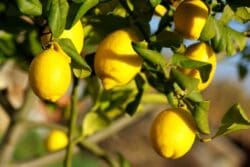
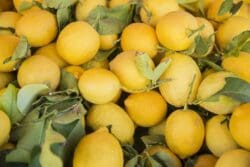
Spanish lemon oil availability is reduced due to a smaller crop. The market remains tight.
Lemon five-fold oil remains limited, with processors focusing on straight oil production. Spot demand is quiet, and availability is restricted.
Peruvian distilled lime oil demand is steady. Availability is limited due to the off-season but expected to improve toward year-end when new harvest begins.
The tagetes market is shifting to new crop, with availability slowly improving. Prices remain high on strong demand and tariff costs.
Rosa damascena (Damask rose): A late frost followed by heatwaves has reduced yields and complicated harvesting. Prices are up due to limited availability, though oil quality is reportedly strong.
Roman chamomile remains in short supply, with prices staying firm. Minimal carryover and high demand keep the market tight.
Orris remains under pressure as EU tariffs add significant cost to French exports. Supply is steady, but pricing is expected to stay firm through the year.
Brazil’s crop is expected to rebound significantly, with a 36% increase over last season. Prices have started to ease slightly, particularly for terpenes, though remain high overall. It remains to be seen what impact the 50% tariff on goods from Brazil has on the US and global market.
Nutmeg markets remain steady, with consistent supply from Indonesia. Pricing shows little flexibility as logistics and tariffs add pressure.
Mandarin oil availability has improved slightly, though volumes remain tight. Prices have steadied, but currency shifts and tariffs continue to influence trade. Demand from both flavor and fragrance markets is keeping the tone firm.
Processing is active, with first shipments expected shortly. Forecast volumes have been reduced due to juice market dynamics, though demand remains solid, particularly as lemon juice prices support interest in Persian lime oil as a substitute.
Mexico is at the peak of its summer crop, though heavy rains have reduced collections. Volumes should improve before tapering in September. Prices remain firm.
Production is down an estimated 20% due to reduced planting areas. Prices are firming following a period of oversupply.
A poor harvest has pushed prices up. Extreme heat impacted pollination and labor availability.
After peaking in 2024, prices have eased and appear stable. Peru is entering a three-month low season, with reduced output but good prospects for November–December.
The current crop has been heavily impacted by poor weather, resulting in reduced yields and lower davanone content. Prices remain high.
Yields are poor, and prices are climbing, with a new 20% tariff adding further cost pressure. Availability remains constrained, and supply conditions are expected to stay challenging in the near term.
Interest is steady, with Guatemalan origin in demand despite high prices. Material remains available.
Demand remains low, keeping prices stable. No major changes expected in the near term.
Supply is stable, with no major issues reported. May offer opportunities for customers looking to diversify amid tariff-related constraints.
Supply is stable with no major disruptions reported. Demand remains consistent across key sectors.
Prices are increasing rapidly due to poor crops.
Market share has declined slightly, but Berjé continues to offer high-value, compound-ready. Often positioned as a cost-effective alternative to neroli, petitgrain remains relevant across fragrance and aromatherapy sectors.
Although not a large-volume item globally, the crop is under pressure this year due to early rains followed by extreme heat, particularly in Europe. We estimate the crop could be 50% to 66% of last year’s volume.
Demand is rising while supply tightens. Berjé holds one of the largest inventories in the U.S., as other importers face compliance and lead-time challenges. Tariff risks may further limit availability.
Market remains expensive and supply is tight. A potential 30% tariff could exacerbate the situation. Limited new availability expected.
Market remains extremely limited, with no new supply commitments expected in the short term. Availability is low amid sourcing challenges.
Supply is limited, and previous sourcing challenges may persist. Tariff-related uncertainty could affect forward movement.
Overall market remains stable, though global logistics are under pressure due to tariffs and shipping delays. Pricing remains uncertain.
A niche product with growing interest. Volumes are limited, and prices are high.
Significant price increases are being reported, especially for Madagascan material. High demand and lower availability are driving the trend.
Morocco has experienced its worst drought on record, with a 20% crop loss and fewer cultivated hectares, severely impacting Rosa centifolia. Weather has severely impacted the harvest.
Demand is high, particularly in Europe. Short-term availability is stable and pricing remains competitive.
South African volumes remain steady but are now subject to U.S. tariffs, tightening global supply.
Regulatory clarity from the EU SCCS may be fuelling renewed demand, particularly in personal care.
Ongoing rains are disrupting clove leaf drying, reducing oil yields and tightening the supply chain for eugenol, isoeugenol, and caryophyllene. Low global demand has further slowed production. Weather, demand, and quality continue to be the main market challenges.
Volumes from South Africa are steady, though export planning has been complicated by new tariffs taking effect August 1. Pricing could rise as a result.
Market is tight, with reduced inventory levels. Availability may fluctuate depending on upcoming production cycles.
This material is currently short. Availability is limited, and sourcing remains a challenge.
Egypt remains a stable origin, but market sentiment is cautious due to tightening global supply.
Harvest in Australia is progressing well despite earlier setbacks from Cyclone Alfred and May flooding, though past crop issues continue to affect availability.
Regulatory clarity from the EU SCCS may be fuelling renewed demand, particularly in personal care.
U.S. peppermint (Mentha piperita) continues to perform well, with depleted carryover and solid demand from the flavor, pharmaceutical, oral care, and wellness sectors. Growers in Washington and Oregon report favorable pre-harvest conditions, although overall acreage remains below historical averages. Improved distillation efficiency has helped sustain output despite long-term reductions in planted area.
New crop oil will become available in the late summer or early fall. Its menthol-rich, cooling profile remains essential to chewing gum, candy, digestive aids, and functional fragrance formulations.
While the U.S. peppermint industry is not governed by federal quotas, production is largely planned based on carryover stocks and anticipated demand. In recent years, domestic output has declined significantly due to competition from overseas producers and the widespread availability of low-cost synthetic menthol. Nevertheless, U.S. production still exceeds 1,000 tons annually, making it a major player in the global mint landscape.
Spearmint oil remains steady mid-year, with strong and consistent demand across chewing gum, confectionery, oral care, and wellness applications. The USDA has confirmed a stable saleable quantity for the 2024–2025 season, aligned with usage expectations. Cooler spring weather in parts of the Pacific Northwest may slightly affect yield, but no major disruptions are anticipated.
Two main varieties are cultivated in the U.S.: Native spearmint (Mentha spicata), which offers a sweet, herbaceous profile, and Scotch spearmint (Mentha cardiaca, syn. M. gracilis), known for its sharper, more cooling notes. Both remain in high demand for clean-label, traceable formulations, especially in multi-market products requiring consistent quality and compliance.
Unique to spearmint oil, the USDA Marketing Order program, established in 1980, sets annual quotas in partnership with private industry, typically ranging between 350,000 and 500,000 kilos per type (Scotch and native). This system helps stabilize supply and supports long-term planning across the supply chain.
Though overall U.S. mint acreage has been declining due to foreign competition and increased use of synthetic alternatives, spearmint oil production still surpasses 500 tons annually. Like peppermint, its output is largely determined by anticipated demand and existing inventory, while final yield remains in the hands of Mother Nature.
Cedarwood oil remains a versatile and valued staple across fragrance and functional perfumery, with several distinct botanical origins offering varied olfactory profiles. At Berje we work with our long-term exclusive partners to provide a wide range of cedarwood qualities and sources.
Texas cedarwood oil (Juniperus mexicana) is primarily a byproduct of brush-clearing efforts in the Texas Hill Country, where the species is considered invasive. The crude oil from this origin is known for its rich, balsamic profile which is often described as warm pencil shavings. Redistilled grades are paler in color with a more refined, softer aroma.
Virginia cedarwood oil (Juniperus virginiana), sourced from the southeastern U.S., offers a smoother, creamier scent with a classic cedar character. It has a clean profile and lighter color, making it a popular choice for fine fragrance and personal care applications.
Global supply across these origins is relatively stable, though labor availability at harvest sites can be challenging. Our partner producers continue to focus on sustainable sourcing and upcycling of wood waste, which contributes to a more environmentally responsible supply chain.
Anise oil is derived from two different botanical sources, both rich in anethole which is the key compound responsible for its sweet, spicy character reminiscent of fennel and licorice. Widely used across the flavor, fragrance, oral care, and pharmaceutical sectors, the oil’s origin can significantly influence its availability and cost.
The more widely available and cost-effective material is produced from the fruit, seeds, and leaves of Illicium verum, commonly known as star anise. This evergreen tree is native to Southeast Asia, with major production centered in China and Vietnam. Notably, star anise played a critical role between 2000 and 2010 as the starting material for Tamiflu™ which is an antiviral drug that was developed during global outbreaks of influenza. With Tamiflu now produced by a different process, pressure on star anise supply has eased, and the market has returned to a more balanced state.
The second, less common and typically more expensive variety is extracted from Pimpinella anisum, a flowering plant related to parsley and cultivated mainly in the Mediterranean region. Its seeds are used both as a culinary spice and are steam distilled to produce essential oil.
Global supply is currently stable.
Cassia oil (Cinnamomum cassia, syn. Cinnamomum aromaticum) is rich in cinnamaldehyde and is a popular ingredient in the flavor, spice, and beverage industries. It has a warm, spicy profile that works well in both sweet and savory applications. What is commonly referred to as cassia oil is steam-distilled from the leaves and twigs of the tree, with two primary crop cycles, one in spring and one in fall, which enables consistent availability throughout the year. There is also a smaller production of cassia bark oil, used for more specialized applications.
China remains the largest producer, with stable output reported from Guangxi and Yunnan during the early 2025 harvest. Cassii oil is also the starting material for the isolation of natural cinnamic aldehyde, the primary flavor of all things cinnamon. The natural cinnamic aldehyde is also used to produce natural benzaldehyde which is widely used in cherry, bitter almond, or marzipan flavors or fragrances.
In terms of sustainability, all exhausted cassia leaves after distillation are used in the biomass boiler as fuel. This practice supports a circular economy approach by reducing waste and improving energy efficiency.
Overall volume is expected to remain steady into Q3.
Mate verte absolute, derived from Ilex paraguariensis, continues to be popular in both the fragrance and flavor industries. It has a distinctive dry, green-herbal character with subtle smoky undertones which makes it a sought-after ingredient for complex tea notes, green accords, and wellness-oriented formulations.
The primary producers are Argentina, Brazil, and Paraguay although the absolute may be extracted elsewhere. However, challenges such as water availability and shifting labor patterns persist, potentially impacting future harvests. Currently demand is outstripping supply, and it is not clear when this situation might improve.
Rosemary oil (Rosmarinus officinalis) is steam-distilled from the flowering tops of the plant and remains a core material in fragrances, hair care, and other personal products. It has an herbaceous freshness and a clean, invigorating aroma.
Harvest season across the two most prominent regions (Morocco and Tunisia) is about to start and continues through early summer. Rosemary has traditionally been wild-harvested from the slopes of the Atlas Mountains and other Mediterranean landscapes, where the plant grows in arid, rocky terrain. Wild-grown crops have been impacted by ongoing drought conditions in Morocco and surrounding countries, and farming production is increasing which helps to supplement supply to meet rising demand for rosemary.
As well as in essential oils, rosemary plays an important role in the production of natural antioxidants and is used to extend the shelf life of food, cosmetics, and pharmaceuticals.
Alongside its traditional uses, the oil is becoming popular in wellness products and scalp care and has been associated with stimulation and rejuvenation. In perfumery, rosemary oil gives an aromatic, herbal, and fougére profile. It is also used as a modifier for citrus or pine accords.
We continue to monitor developments in Morocco and Tunisia through our long-standing sourcing relationships, to ensure that the oil meets required standards of quality and consistency.
The Canadian fir needle oil (Abies balsamea) market remains stable moving through 2025. Demand continues to be steady, particularly in the aromatherapy and personal care sectors, where consumers favor natural products with therapeutic benefits.
Harvest yields are consistent with previous years, and no significant supply disruptions have been reported. The oil, steam distilled from the terminal branches is known for its refreshing piney aroma and potential health advantages, including antiseptic and anti-inflammatory properties, maintains its appeal in various applications.
Fir needle oil is a sustainable ingredient and brings a refreshing, forest-inspired aroma to formulations.
Brazil’s upcoming orange crop (Citrus sinensis) is showing real signs of recovery, with Fundecitrus forecasting a 36% increase over last year. The 2025–2026 season is expected to reach 314.6 million boxes which is a return to the ten-year average and a welcome shift after several tough seasons.
The improvement is largely thanks to better weather and a strong second bloom, triggered by rainfall in late 2024. This second bloom accounts for nearly 70% of the crop and has produced smaller fruit, but in much higher numbers per tree.
Harvest timing is slightly later this year, especially for varieties like Valencia and Natal, which may influence oil availability. Average fruit weights are down a little, but overall productivity is up, especially in the Southwest region.
Growers have reinvested in grove care, improving irrigation and pest control following better returns last season but it should be noted that fruit drop is expected to be higher than usual at around 20%.
All in all, this is a promising update for the orange oil market.
SOURCE
Fundecitrus – Executive Summary of Orange Crop Forecast for the 2025–2026 Season, May 9, 2025
www.fundecitrus.com.br
Nutmeg oil (from the dried seeds of Myristica fragrans) continues to hold a steady place in the global market, supported by its warm, spicy aroma and broad use in fragrance, flavor, and personal care. It comes mostly from Indonesia and Sri Lanka, with Indonesia maintaining a leading position due to its long-established cultivation practices. But is fair to mention that both countries hold a very different quality.
This year’s harvest has ended and the new crop will start in September. It has progressed without major weather disruptions, and output from both key producing regions remains consistent.
Advances in distillation and quality control have improved the availability of consistent, high-purity oil, with increased attention on organoleptic performance and regulatory compliance.
Petitgrain oil is steam-distilled from the leaves and twigs of the bitter orange tree (Citrus aurantium), with production centered in Paraguay. Global demand for petitgrain remains steady, particularly in fine fragrance where the oil’s versatility and natural freshness are valued.
Harvesting in Paraguay is underway, and early indications suggest a stable season. We continue to work closely with our long-standing partners at ALPACASA who oversee sustainable petitgrain production and distillation in the country’s eastern regions. Weather has so far been favorable, with adequate rainfall supporting healthy foliage growth across established groves.
While output is not expected to increase significantly this year, current production is expected to meet ongoing demand. Availability of organic-certified petitgrain remains limited, as conversion and certification costs continue to deter smaller growers. That said, ALPACASA continues to support traceable and responsible practices, and material quality remains consistent across the board.
No major disruptions are forecast and there is stable interest from key sectors.
Drum-level availability is stable; however, broader global supplies remain tight as demand for downstream products of these precursors remain strong.
Patchouli dark is available with steady demand, with new shipments of patchouli light also becoming available to the market.
Overall availability is starting to recover but spot sourcing may fluctuate based on volume and timing.
Market activity continues to be impacted by global sourcing constraints. Availability remains tight.
Market activity continues to be impacted by global sourcing constraints. Availability remains tight.
Crop performance remains under strain, and availability is expected to remain limited in the short term.
Challenging weather and harvesting conditions in the region have limited current availability.
Dry conditions have affected plant growth, with many regions reporting yields below expected harvest thresholds.
Production in India has been affected by beta-pinene shortages, a result of decreased pulp and paper byproduct availability. Customers are advised to monitor ongoing supply conditions.
U.S. anti-dumping duties remain unchanged. However, potential European tariffs are likely to increase international demand and place further pressure on global supply chains.
U.S. anti-dumping duties remain unchanged. However, potential European tariffs are likely to increase international demand and place further pressure on global supply chains.
Despite news coverage suggesting temporary tariff relief, some U.S. import duties remain in place for this material. Uncertainty continues to influence global pricing and availability.
With recent tariff adjustments, the U.S. market may experience renewed interest in eucalyptus derivatives. Berjé maintains a strong sourcing position.
This material is experiencing heightened demand and constrained availability due to raw material shortages.
The market remains active with strong seasonal demand. Availability is currently short with price firming steadily.
Demand continues to rise, production of new crop will start in June.
Drum-level availability is stable; however, broader global supplies remain tight as demand for downstream products of these precursors remain strong.
Harvest nearing completion with moderate output. Prices are slightly firmer due to international demand.
Field conditions are favorable ahead of June/July harvest. Pricing remains under pressure following two years of surplus production.
Early signs suggest a strong bloom in Bulgaria. Demand is already high, and pricing is expected to reflect limited early output.
Prices are stable.
Japanese yuzu production was slightly delayed this year. Prices are holding steady due to limited global sources.
Crop has performed well, but strong demand is keeping supply tight. Prices have risen slightly as buyers secure contracts.
Prices are stable.
Seasonal availability has improved. Market remains well-supplied, though pricing is firm for top grades.
Crop is developing normally. Will be harvested in October. Prices are firm.
Material remains available with no significant weather impacts. Pricing is stable across most volumes.
Availability is steady, and market activity remains quiet. No significant pricing changes reported this month.
Sowing is going successfully; next crop will be in July. Supply should meet expected demand and prices expected to remain stable.
Good quality material is available, though demand has been moderate. Pricing has remained relatively unchanged.
Crop conditions are improving, but availability remains somewhat limited. Prices are steady with light trading activity.
New season growth is reported to be healthy in key regions. Pricing is expected to remain stable heading into summer.
Production remains unaffected by storms; availability is stable.
New crop to start end of May but plants have been stressed with unpredictable weather in the last months. Prices remain firm.
Limited crop since farmers prioritized more profitable crops. Some replanting is happening, but prices remain firm due to the limited availability.
Production is gradually recovering after disruptions; prices are holding.
Upward price pressure continues, tracking closely with clove oil availability.
Market remains tight due to earlier weather-related losses.
Harvest completed recently; supply is steady and prices are firm for clean material and high davanone. Lower quality lots are floating in the market at lower prices but be aware of quality
Crop nearing peak with balanced availability and steady pricing.
Crop area similar to last year. Too early to predict outcome based on weather and pests. No carry overs and prices are firm; supply and pricing are stable entering mid-season.
Expectations for a smaller crop remain; prices are firm.
Crop sowing is underway; market remains balanced, but demand is up which is putting pressure on market demand.
Harvest season has not yet started; supply remains tight, and prices are firm.
Limited availability due to farmers replacing lemongrass with more profitable crops such as wheat, rice and corn. Limited carry overs. Prices are firming but carryover stocks continue to impact pricing.
Harvest has finished; demand from fresh and dehydrated export markets keeps prices elevated.
Next crop October. Prices are firm but stable.
Harvest is ongoing with global prices remaining firm.
Availability remains limited during harvest; prices are holding firm.
Havest delayed and will start end of may. Under tight supply and firm pricing.
Harvest underway but availability remains limited due to consecutive droughts.
Harvest season has begun in India, with steady demand and stable pricing. Sowing season has started. Harvest will be in August-September.
Prices rising due to ongoing disruptions and limited availability.
Indonesian crop yield poor.
Prices increasing.
Prices increasing.
Prices have stablized.
Heavy surge in demand.
Severe shortages and rising prices continue, driven by anti-dumping tariffs and import delays.
Severe shortages and rising prices continue, driven by anti-dumping tariffs and import delays.
Pricing remains stable with no current disruptions.
Pricing remains stable with no current disruptions.
Price has increased over the past six months due to low eugenol content in Indonesian material.
Pricing supported by firm demand and limited new output. Material remains extremely scarce.
Supply remains high with limited small-volume availability.
High prices due to Moroccan drought.
Weather disruptions but next harvest expected June.
Multiple factors changing the landscape in Argentina; taxation, duty increases and carry over crops have diminished all contributing to price increases.
Brazil’s crop continues to face greening impacts reducing overall imports are being reported near 20%. Pricing pressure continues.
Prices stable.
Strong demand and limited supply.
Despite a new harvest, prices remain depressed due to carryover stocks and waning post-pandemic demand. Quality varies, with high-quality material commanding a premium.
Premature harvesting has led to lower quality material. Prices under pressure, and higher quality material is intermittently available.
Early planting stages underway. Prices are stable. Summer harvest will determine future price movements.
Indian harvests delayed due to replanting and rain. Pricing remains volatile, but demand is steady.
Prices have risen due to poor yields, adverse weather, and Indian farmers switching to other crops. Demand remains strong. No near-term price relief expected.
Prices for cardamom oil are reaching historic heights, as many producers are struggling to keep pace with global demand.
Prices for patchouli oil have risen to historic heights, with many producers reporting carryover stocks drying up at source. As such, prices for patchouli are expected to fluctuate as supply issues become more prevalent.
Haiti is currently experiencing geopolitical turmoil and much of the nation’s infrastructure has been shut down. This has an obvious impact on the production and distribution of vetiver oil, as well as any other material grown and distilled in Haiti.
Haiti is currently experiencing geopolitical turmoil and much of the nation’s infrastructure has been shut down. This has an obvious impact on the production and distribution of vetiver oil, as well as any other material grown and distilled in Haiti.
Prices for orange terpenes remain high.
Prices for orange oil remain high.
The legal situation surrounding Chinese vanillin products continues to evolve as litigation progresses. New tariffs against Chinese vanillin have recently been introduced in Europe and the USA, though we still expect the antidumping tariffs to be somewhere in the 100%+ range. Those who use vanillin products should expect additional pressure on vanillin supply chains over the coming months.
The legal situation surrounding Chinese vanillin products continues to evolve as litigation progresses. New tariffs against Chinese vanillin have recently been introduced in Europe and the USA, though we still expect the antidumping tariffs to be somewhere in the 100%+ range. Those who use vanillin products should expect additional pressure on vanillin supply chains over the coming months.
The legal situation surrounding Chinese vanillin products continues to evolve as litigation progresses. New tariffs against Chinese vanillin have recently been introduced in Europe and the USA, though we still expect the antidumping tariffs to be somewhere in the 100%+ range. Those who use vanillin products should expect additional pressure on vanillin supply chains over the coming months.
The latest Fundecitrus report indicates total orange production in Brazil has increased 3.4% since the previous forecast in September. The productivity of this season was especially difficult to estimate due to the atypical emission of the fourth bloom, which was extremely late, resulting in some fruits being harvested while they were still in the extremely early stages of development.
Rainfall in Brazil has normalized after 11 consecutive months of drought, and average fruit sizes are expected to increase as the region moves into its next harvest season. However, if citrus fruits continue to be harvested at early stages of development, this may offset some of the positive impact provided by recent rains.
Availability of new materials is essentially nonexistent, and prices are firm. The next crop is scheduled for February-March 2025.
The lemongrass oil market is showing gradual improvement after hitting near-historic low prices in recent months. Production of the material has concluded, and prices are expected to rise gradually depending on demand. The next crop is scheduled for the end of February. If carryover material is still available by the time of distillation, producers are likely to scale back the quantity of new materials distilled.
The current season has faced numerous challenges due to heavy rainfall, causing the loss of seeds and nurseries within davana producing regions. Despite these setbacks, transplantation is now in full swing. However, many farmers have had to purchase new nurseries at high prices, leading to a significant increase in the cost of davana oil production. The current harvest will conclude at the end of February. There is a limited quantity of carryover material at source, though the quality of this material is often less than optimal.
Prices for Indian palmarosa oil have moved up in recent weeks and there is limited availability. Guatemalan origin is competitive but limited quantities available.
Prices for Chinese citronella oil have moved up in recent weeks.
Rainfall in Indonesia continues to impair the production of citronella oil. Prices are moving up and quantities are limited.
The geopolitical situation in Haiti is declining and US airlines have recently been prohibited from flying into Haiti’s airspace.
The geopolitical situation in Haiti is declining and US airlines have recently been prohibited from flying into Haiti’s airspace.
Manufacturers have reported longer lead times and additional delays in the production of this material due to heavy rainfall and poor weather conditions in sourcing regions. This is expected to cause ripple effects throughout any GT-dependent market over the coming months.
Manufacturers have reported demand for this material is surging.
Manufacturers have reported demand for this material is surging.
Countervailing duties have recently been implemented against imports of Chinese vanillin and ethyl vanillin. The anti-dumping decision on these products is still ongoing, and we expect prices to rise in response to these additional duties.
Countervailing duties have recently been implemented against imports of Chinese vanillin and ethyl vanillin. The anti-dumping decision on these products is still ongoing, and we expect prices to rise in response to these additional duties.
Prices for l-carvone are reaching historic heights and trending upwards. As prices continue to rise, suppliers may become unwilling to import new material, which can lead to regional shortages as existing supply is depleted.
The market for lime terpenes is expected to soften over the next six months, unlike orange terpenes and lemon terpenes, as new material enters the market from regional harvests.
Due to the rising cost of orange terpenes, prices for lemon terpenes have also started to increase as formulators begin to seek alternatives.
Prices have continued to rise in recent weeks.
Prices have risen due to increasing operating costs and the ongoing process of retooling factories and upgrading distillation equipment.
Prices have risen due to increasing operating costs and the ongoing process of retooling factories and upgrading distillation equipment.
Prices have risen due to increasing operating costs and the ongoing process of retooling factories and upgrading distillation equipment.
The decision date on the anti-dumping case surrounding Vanillin and Ethyl Vanillin has been pushed back by the petitioner, delaying the timeline for new tariffs on these products. The new decision date has been set to 1/7/25, which has also pushed back the retroactive duty cutoff date. For suppliers, this offers an extremely small bit of breathing room, though many remain cautious to offer anything until a final decision is reached.
The decision date on the anti-dumping case surrounding Vanillin and Ethyl Vanillin has been pushed back by the petitioner, delaying the timeline for new tariffs on these products. The new decision date has been set to 1/7/25, which has also pushed back the retroactive duty cutoff date. For suppliers, this offers an extremely small bit of breathing room, though many remain cautious to offer anything until a final decision is reached.
The market for orange terpenes have moved up recently – Florida producers were closed during the recent hurricane and are now backlogged with orders. Carryover stocks are beginning to become depleted in many regions, and suppliers have struggled to keep pace with demand.
Tariffs are still under consideration for Vanillin and Ethyl Vanillin – there are ongoing negotiations between both sides, and the defense is scheduled to make its case on November 12. Retroactive tariffs remain a possibility here, and many suppliers are extremely hesitant to sell their material as a result of this.
Tariffs are still under consideration for Vanillin and Ethyl Vanillin – there are ongoing negotiations between both sides, and the defense is scheduled to make its case on November 12. Retroactive tariffs remain a possibility here, and many suppliers are extremely hesitant to sell their material as a result of this.
The market for Orange Oil Midseason and Orange Oil Valencia is trending upwards.
The market for Orange Oil Midseason and Orange Oil Valencia is trending upwards.
Demand for garlic oil Chinese has increased in recent weeks.
New updates on the anti-dumping case against Vanillin and Ethyl Vanillin are expected to release in November. Until then, many suppliers remain extremely cautious of purchasing new material due to the possibility of retroactive tariffs on imports.
New updates on the anti-dumping case against Vanillin and Ethyl Vanillin are expected to release in November. Until then, many suppliers remain extremely cautious of purchasing new material due to the possibility of retroactive tariffs on imports.
Prices for patchouli continue to rise as new availability remains extremely limited.
Prices for patchouli continue to rise as new availability remains extremely limited.
Prices for patchouli continue to rise as new availability remains extremely limited.
Demand has outpaced supply for this material, and new shipments are not expected to enter the market until mid-October.
“Easy Peel” tangerines remain an issue for the essential oils industry. These fruits are geared entirely for the fresh fruit market, rather than industrial processing.
White grapefruit and pink grapefruit prices remain stable – there are currently no issues reported at sourcing locations.
White grapefruit and pink grapefruit prices remain stable – there are currently no issues reported at sourcing locations.
The next Peruvian crop season is scheduled to begin in November or December of 2024. This crop is currently looking stable, and prices are expected to ease in comparison to last year, though its stability depends on whether Mexico experiences any difficulties that would affect its lime supply.
Farmers have reported difficulties with Persian lime in Eastern Mexico due to the late start of this year’s crop season. The lime crop usually begins in June, though this year harvests were delayed by one month. Combined with the issues presented by citrus greening and drought conditions, Persian lime in Mexico is almost entirely sold out for the 2024 season.
Key limes, which are grown and harvested in the western regions of Mexico, are currently being maintained and await the upcoming winter crop, which is scheduled to begin in December 2024. The winter crop is the smaller of the two key lime crops and lasts from December to February.
Citrolim represents approximately 20% of the whole lime shares from Mexico.
Farmers have reported difficulties with Persian lime in Eastern Mexico due to the late start of this year’s crop season. The lime crop usually begins in June, though this year harvests were delayed by one month. Combined with the issues presented by citrus greening and drought conditions, Persian lime in Mexico is almost entirely sold out for the 2024 season.
Key limes, which are grown and harvested in the western regions of Mexico, are currently being maintained and await the upcoming winter crop, which is scheduled to begin in December 2024. The winter crop is the smaller of the two key lime crops and lasts from December to February.
Citrolim represents approximately 20% of the whole lime shares from Mexico.
The Argentinian lemon crop is currently estimated at 1.4 million tons of fruit, the majority of which is allocated for processing.
Argentina’s market for fresh fruit in domestic use is down approximately 200,000 tons due to economic issues within the nation. It is estimated that 11,000 hectares of lemon trees have been abandoned this year, with an additional 12,000 hectares removed by farmers due to low pricing from international buyers. Many lemon orchards have since been switched to sugarcane farms, which are more profitable for local communities.
Tucuman, Salta, and Jujuy are now considering planting oranges instead of lemon – historically, these regions were growers of oranges in the 1980s but switched to lemon due to better market pricing. Growing conditions for new orange trees seem favorable, but it will take at least five years before any new trees can bear fruit. Currently, some orange trees are being grown on the eastern side of the nation (Corrientes and Entre Rios), though they have had issues with pesticides due to their close proximity with other crops such as blueberries and stone fruit. These oranges are mainly geared for the fresh market, so cross-contamination can occur.
Brazil’s latest Fundecitrus report forecasts an orange harvest of approximately 215.78 million boxes. This is the smallest Brazilian harvest in decades, with extreme heat and drought conditions affecting the overall quality of orange fruits throughout important growing regions. Aldehyde output levels in Brazil are expected to be lower than average as well, now estimated at 0.8-0.9% for newly processed orange oil.
It seems very likely that prices for Vanillin and Ethyl Vanillin will continue to increase over the coming weeks as suppliers await a decision on the ongoing anti-dumping case.
It seems very likely that prices for Vanillin and Ethyl Vanillin will continue to increase over the coming weeks as suppliers await a decision on the ongoing anti-dumping case.
Prices for patchouli continue to climb – the market is approaching historic highs, with some of the heaviest cost increases at-source in recent memory.
Berjé is able to secure vetiver oil from Haiti, even amidst geopolitical turbulence. Prices remain stable.
The market for amyris oil is currently very tight – supply has struggled to keep up with demand over the last two months, and many suppliers are finding it difficult to secure new material.
Excessive heat during Q1 and Q2 of 2024 has reduced the crop by at least 40% this year. Crop was delayed two months; prices are firm, and availability remains limited.
The crop was reduced by more than 40% when compared to last year. The 2024 crop has just finished, but availability at source is limited. Prices for this material remain firm.
Raw material availability at-source is limited, and prices are firm.
This year marked the third consecutive drought in Morocco. The spring crop has recently finished, but availability of “high thujone” material is limited. Autumn crop will only continue is Morocco receives good rainfall over the coming weeks.
The basil crop has been quite poor in Vietnam over the last three years, reducing availability and increasing prices at-source.
Availability is stable at the moment. Production in Dominica has not been impacted by recent storms.
Global prices remain firm and raw material availability is limited.
This year, the caraway crop was standard, but demand for new material has increased. As a result, availability is limited, and prices are firm.
The most recent crop has ended, and production remains limited. Prices are firming.
As a clove derivative, availability of this product remains limited. Prices are firm and many suppliers are struggling to secure new inventory. There have been multiple quality issues with this product in global markets, leading to additional shortages in supply.
The cedarleaf crop in Canada has another 6-8 weeks of processing left in the season until production is ended and facilities shut down for the winter.
The market for lime terpenes has firmed as demand for lime products out of Mexico and Peru has increased in recent weeks.
One of the largest manufacturers of Iso E in India has reported issues keeping up with global demand. This will likely place further strain on an already-depleted market.
Prices for this material have rapidly increased in recent weeks as manufacturers struggle to keep up with recent supply issues.
The antidumping case against Chinese manufacturers of vanillin and ethyl vanillin has continued to make its way through the legal system. Retroactive tariffs are a possibility in this market if imports of vanillin and ethyl vanillin increase by more than 15% during the July/August timeframe.
The antidumping case against Chinese manufacturers of vanillin and ethyl vanillin has continued to make its way through the legal system. Retroactive tariffs are a possibility in this market if imports of vanillin and ethyl vanillin increase by more than 15% during the July/August timeframe.
Prices are stable.
Prices for peppermint have increased due to a short crop this year.
Prices for palmarosa have increased due to a short crop this year.
Availability of lemongrass has decreased due to heavy rains in key producing regions.
Prices have risen by upwards of 15% over the last 2-3 weeks.
Prices have risen by upwards of 15% over the last 2-3 weeks.
Prices are stable.
Prices are stable.
Prices are stable.
Prices are stable.
Production of geranium has increased in India, though prices have also moved up due to global competition from other origins.
Prices for Indian material have increased, it is currently the off-season for this crop.
Prices for Indian material have increased, it is currently the off-season for this crop.
Prices for Indian material have increased, it is currently the off-season for this crop.
Prices for Indian material have increased, it is currently the off-season for this crop.
As a result of a recent factory fire that occurred in a BASF plant in Germany, BASF has declared Force Majeure on deliveries of a wide range of products, including aroma ingredients such as ionones. The incident caused damage to the plant, which resulted in a shutdown and subsequent supply disruption of many BASF products. This has significant implications for the wider flavor and fragrance market, though the full impact has yet to be felt.
As a result of a recent factory fire that occurred in a BASF plant in Germany, BASF has declared Force Majeure on deliveries of a wide range of products, including aroma ingredients such as ionones. The incident caused damage to the plant, which resulted in a shutdown and subsequent supply disruption of many BASF products. This has significant implications for the wider flavor and fragrance market, though the full impact has yet to be felt.
As a result of a recent factory fire that occurred in a BASF plant in Germany, BASF has declared Force Majeure on deliveries of a wide range of products, including aroma ingredients such as ionones. The incident caused damage to the plant, which resulted in a shutdown and subsequent supply disruption of many BASF products. This has significant implications for the wider flavor and fragrance market, though the full impact has yet to be felt.
As a result of a recent factory fire that occurred in a BASF plant in Germany, BASF has declared Force Majeure on deliveries of a wide range of products, including aroma ingredients such as ionones. The incident caused damage to the plant, which resulted in a shutdown and subsequent supply disruption of many BASF products. This has significant implications for the wider flavor and fragrance market, though the full impact has yet to be felt.
As a result of a recent factory fire that occurred in a BASF plant in Germany, BASF has declared Force Majeure on deliveries of a wide range of products, including aroma ingredients such as ionones. The incident caused damage to the plant, which resulted in a shutdown and subsequent supply disruption of many BASF products. This has significant implications for the wider flavor and fragrance market, though the full impact has yet to be felt.
As a result of a recent factory fire that occurred in a BASF plant in Germany, BASF has declared Force Majeure on deliveries of a wide range of products, including aroma ingredients such as ionones. The incident caused damage to the plant, which resulted in a shutdown and subsequent supply disruption of many BASF products. This has significant implications for the wider flavor and fragrance market, though the full impact has yet to be felt.
As a result of a recent factory fire that occurred in a BASF plant in Germany, BASF has declared Force Majeure on deliveries of a wide range of products, including aroma ingredients such as ionones. The incident caused damage to the plant, which resulted in a shutdown and subsequent supply disruption of many BASF products. This has significant implications for the wider flavor and fragrance market, though the full impact has yet to be felt.
The market for lime oil remains challenging.
Market prices for orange terpenes have continued to rise in recent weeks.
Many of the aroma chemicals commonly imported from India and China have experienced widespread delays to their production and shipping in recent months. Producers are struggling to ship new material and availability of these products remains low.
Many of the aroma chemicals commonly imported from India and China have experienced widespread delays to their production and shipping in recent months. Producers are struggling to ship new material and availability of these products remains low.
Many of the aroma chemicals commonly imported from India and China have experienced widespread delays to their production and shipping in recent months. Producers are struggling to ship new material and availability of these products remains low.
Production of cinnamon leaf oil typically begins in June, though heavy rainfall in Sri Lanka has delayed the distillation process this year. As of last week, rains in cultivation regions have subsided, and producers have reported that production will begin immediately. One of the largest concerns for the cinnamon leaf oil market at this point is shipping delays – many producers have reported delays upwards of 3+ weeks in securing new shipping vessels.
Due to the excessive heat experienced throughout Europe in recent weeks, the lavender harvest in Bulgaria has been expedited. Distillation at Berjé Trakia has concluded, and we expect new pricing information to arrive shortly.
Distillation of lavender and lavandin is ongoing in France, with some farmers reporting lower yields when compared to last year’s season. Large volumes of carryover material from the past two lavender seasons will compensate for recent losses in productivity. However, the continued loss of lavender production areas in the southeast of France does not seem promising for future harvests.
Distillation of lavender and lavandin is ongoing in France, with some farmers reporting lower yields when compared to last year’s season. Large volumes of carryover material from the past two lavender seasons will compensate for recent losses in productivity. However, the continued loss of lavender production areas in the southeast of France does not seem promising for future harvests.
Production of cinnamon leaf oil has been delayed due to heavy rainfall at source. Cinnamon leaves must be completely dried before the distillation process can begin, as wet material lowers overall yields during production. Prices for new cinnamon leaf oil are firm and availability is extremely limited.
Prices for Indonesian nutmeg oil are firm, and availability is limited. The cost of freight in producing regions continues to rise, with new prices similar to the levels experienced during the COVID-19 pandemic.
Prices for patchouli continue to firm, and supply is very limited.
Prices for patchouli continue to firm, and supply is very limited.
Prices for patchouli continue to firm, and supply is very limited.
Prices for new citronella oil from all sourcing locations remains similar and firm.
Prices for new citronella oil from all sourcing locations remains similar and firm.
Prices for new citronella oil from all sourcing locations remains similar and firm.
The styrax crop has been delayed until the end of August to mid-September. There is currently no availability for new material, and prices are expected to be much higher once new material enters the market later this year.
The season for Moroccan rosemary oil is currently underway.
The season for Tunisian rosemary oil is currently underway.
Prices for orange oil have the potential to slightly soften over the next few months as the market for orange terpenes continues to rise.
Many of the aroma chemicals commonly imported from India and China have experienced widespread delays to their production and shipping in recent months. Producers are struggling to ship new material and availability of these products remains low.
The season for jasmine grandiflorum in India was delayed by 3-4 weeks this year, mainly due to disruptive climate conditions that occurred from January to April 2024. Rainfall was nonexistent during this period, and temperatures increased significantly at-source. As a result, many farmers were unable to maintain their jasmine fields at the same rate as previous years, with common practices such as the application of fertilizer being delayed well into the season. Rainfall has since normalized in India, though overall flower productivity has declined by approximately 15% this year due to the delays. Moving forward, prices for jasmine grandiflorum have the potential to increase as a result of this decline in productivity, as well as the increasing wages for laborers across all jasmine cultivation regions.
Recent disruptions to the production of gum turpentine in China have the potential to cause market instability for many of its derivatives. Gum turpentine is a vital precursor of aroma chemicals such as alpha and beta pinene, terpineol, terpinyl acetate, and many more.
Material shipped out of India is experiencing numerous delays and many chemical manufacturers have experienced issues with transportation, regardless of their size or industry. Some of these delays have been cause by localized issues such as factory fires, infrastructure damage from flooding, and limited workforce availability due to extreme heat.
Material shipped out of India is experiencing numerous delays and many chemical manufacturers have experienced issues with transportation, regardless of their size or industry. Some of these delays have been cause by localized issues such as factory fires, infrastructure damage from flooding, and limited workforce availability due to extreme heat.
Material shipped out of India is experiencing numerous delays and many chemical manufacturers have experienced issues with transportation, regardless of their size or industry. Some of these delays have been cause by localized issues such as factory fires, infrastructure damage from flooding, and limited workforce availability due to extreme heat.
Prices for orange terpenes has rapidly increased in recent months, as citrus producers in Brazil continue to struggle with issues at source. Prices for orange oil and orange terpenes were once closely intertwined, though their paths diverged significantly in 2020. After years of stagnation, orange terpene prices are now rising at unprecedented rate.
Availability of cardamom oil from Guatemala is extremely low and prices are expected to rise as a result of recent supply shortages. Relief is not expected until the new crop.
There are widespread shipping delays for amyris material exported from the Dominican Republic, resulting in increased lead times for this product.
A large chemical manufacturer in India is scheduled to reopen in mid-July, which should increase availability of this material over the coming months.
A large chemical manufacturer in India is scheduled to reopen in mid-July, which should increase availability of this material over the coming months.
A large chemical manufacturer in India is scheduled to reopen in mid-July, which should increase availability of this material over the coming months.
A large chemical manufacturer in India is scheduled to reopen in mid-July, which should increase availability of this material over the coming months.
Prices for vanillin and ethyl vanillin are expected to increase due to tariffs recently proposed by US and EU organizations against Chinese chemical manufacturers. If these tariffs are approved, it could mean additional import fees of more than 500% on certain goods, including vanillin and ethyl vanillin. As a result, we expect the market for these products to be exceptionally tight until a decision on these tariffs is reached.
Prices for vanillin and ethyl vanillin are expected to increase due to tariffs recently proposed by US and EU organizations against Chinese chemical manufacturers. If these tariffs are approved, it could mean additional import fees of more than 500% on certain goods, including vanillin and ethyl vanillin. As a result, we expect the market for these products to be exceptionally tight until a decision on these tariffs is reached.
Prices for Vanillin and Ethyl Vanillin have risen in response to proposed tariffs against Chinese material imported into the EU. If these new tariffs are approved, they have the potential to greatly disrupt the global vanillin and ethyl vanillin industries.
Prices for Vanillin and Ethyl Vanillin have risen in response to proposed tariffs against Chinese material imported into the EU. If these new tariffs are approved, they have the potential to greatly disrupt the global vanillin and ethyl vanillin industries.
Prices for Amyris Oil have risen in recent weeks due to a widespread lack of availability. Amyris Oil undergoes an intensive and time-consuming redistillation process before it can be used commercially, and many amyris producers are struggling to keep pace with global demand.
New material is finally entering the market for Vetiver Oil Haiti as the country continues to reopen its international shipping infrastructure.
New material is finally entering the market for Vetiver Oil Haiti as the country continues to reopen its international shipping infrastructure.
Frequent shipping disruptions near India and the Red Sea have led to global price increases for Cinnamic Aldehyde.
The rose harvest in Bulgaria has ended. Despite the extremely early start to the rose season, flower productivity in Bulgaria seemed to be quite strong in 2024, with yields per hectare improving year-over-year. Many farmers have made renewed efforts to improve their fields and the weather remained fair for flower production within Rose Valley during this year’s longer than average season. A future concern regarding Rose Oil production in Bulgaria is labor – there are an estimated 25,000 rose pickers currently operating within Bulgaria, which is a 50% decline compared to the 50,000 pickers expected during an optimal season. There are many reasons behind the recent lack of workers including inflation rates, competition from other crops, and increasing overhead costs related to rose production. Despite these issues, our team at Berjé Trakia remain confident that recent improvements to our supply chain in Bulgaria will result in long-term benefits for sustainable Rose Oil.
As of 2024, new government programs in Turkey were instituted to guarantee higher payments for all rose growers and rose pickers. This has significantly increased the cost of Turkish rose products, and new prices for Rose Oil Turkish are approximately 30% higher than previous seasons. It remains to be seen whether these skyrocketing prices are a knee-jerk reaction to higher costs at-source, or if this represents a broader upward shift in the rose market.
Infrastructure within Haiti can finally support new exports of Vetiver Oil. Berjé expects new supply to enter the market over the coming months.
Infrastructure within Haiti can finally support new exports of Vetiver Oil. Berjé expects new supply to enter the market over the coming months.
Our partners in Haiti are optimistic that the nation’s airports will re-open soon. This will allow new Vetiver Oil stocks to arrive over the coming months, though supply will likely be limited due to various factors at-source.
Our partners in Haiti are optimistic that the nation’s airports will re-open soon. This will allow new Vetiver Oil stocks to arrive over the coming months, though supply will likely be limited due to various factors at-source.
Prices for Citronella Oil have risen in recent weeks.
Orange growers in Brazil estimate a 24.36% reduction in productivity when compared to the previous orange season. This decline in productivity is attributed to less rainfall, higher temperatures, and the continued threat of citrus greening within key producing regions. Recent blooms have also occurred during the rainy season of São Paulo, causing blossom-to-end-rot and increasing fruit droppage rates. These issues, combined with an overall lack of availability from alternate sourcing locations, has caused issues for price stability within the global orange market.
Mexico is estimated to produce approximately 5 million metric tons of orange fruit in the 2023/2024 season, which is a sizeable increase compared to previous seasons. This boost in productivity comes at a crucial time in the global orange market, as Brazil’s productivity has been hit hard by a confluence of weather and citrus greening issues. Weather plays a key role within the Mexican orange market – the upcoming Atlantic Hurricane Season will determine the long-term stability of recent orange production improvements, as strong storms have the potential to uproot trees and destroy infrastructure.
Peru produces approximately 400,000 MT of limes each year, with around 50% of this production allocated for use within its domestic market. The current crop season is expended to conclude over the next few weeks, with the next season scheduled to begin sometime in early December. It is currently too early to determine the productivity of the December season, though weather plays a key role in the success or failure of Peruvian lime harvests. With demand for Lime Oil increasing around the world, Peru is facing increasing pressure to ramp up its lime production. This pressure is further amplified by the recent lime season in Mexico, which allocates the vast majority of its lime production to the fresh market, leaving very little material for processing.
Mexico produces an average of 5 million tons of limes each year, though only around 10% of that production goes towards processing. High prices for fresh fruit and consistent increases in consumer demand for lime products have caused a sharp increase in the cost of lime oil. Availability remains low, especially during the summer season, when tourism in Mexico generates a massive influx in the number of fresh lime consumers within the nation.
Mexico produces an average of 5 million tons of limes each year, though only around 10% of that production goes towards processing. High prices for fresh fruit and consistent increases in consumer demand for lime products have caused a sharp increase in the cost of lime oil. Availability remains low, especially during the summer season, when tourism in Mexico generates a massive influx in the number of fresh lime consumers within the nation.
Mexico produces an average of 5 million tons of limes each year, though only around 10% of that production goes towards processing. High prices for fresh fruit and consistent increases in consumer demand for lime products have caused a sharp increase in the cost of lime oil. Availability remains low, especially during the summer season, when tourism in Mexico generates a massive influx in the number of fresh lime consumers within the nation.
The Argentina lemon season is currently underway, with total harvest figures estimated at around 1.65 million metric tons. Due to extreme weather and heat waves within the region, production estimates were lowered from their previous forecast of 1.77 million metric tons. There is also a great deal of uncertainty surrounding the current geopolitical situation within Argentina, as exporters of lemon are facing new restrictions on currency exchange rates (USD) amidst a shifting economic model.
Mexico is the main producer of Tangerine Oil Dancy, with key producers located in Puebla, Veracruz, and Nuevo Leon. It is currently too early to accurately predict the nation’s tangerine production for the upcoming season, though weather will play a key role within this market. The 2024 Atlantic Hurricane Season is expected to be much more intense than usual, which can negatively impact tangerine production is storms are too severe. In contrast, the main issue for tangerine productivity in 2023 was drought – Mexico experienced a 30% decline in tangerine production due to widespread droughts throughout its key producing regions.
The USDA grapefruit forecast published on May 10 indicated a total harvest of 1.8 million boxes for the USA. Of this total, around 1.55 million boxes were allocated to red grapefruit, with the remaining 250,000 allocated for white. This represents a 10% decline from previous forecasts, and a year-over-year decline for grapefruit productivity in general. Mexico produces an additional 480,000 tons of grapefruit each year, though the vast majority of their production goes into the fresh market. Grapefruit production in both regions has suffered significantly from citrus greening, which is a disease that affects a wide range of citrus trees, though it spreads fastest in low-acidity citrus such as orange and grapefruit.
The USDA grapefruit forecast published on May 10 indicated a total harvest of 1.8 million boxes for the USA. Of this total, around 1.55 million boxes were allocated to red grapefruit, with the remaining 250,000 allocated for white. This represents a 10% decline from previous forecasts, and a year-over-year decline for grapefruit productivity in general. Mexico produces an additional 480,000 tons of grapefruit each year, though the vast majority of their production goes into the fresh market. Grapefruit production in both regions has suffered significantly from citrus greening, which is a disease that affects a wide range of citrus trees, though it spreads fastest in low-acidity citrus such as orange and grapefruit.
The USDA grapefruit forecast published on May 10 indicated a total harvest of 1.8 million boxes for the USA. Of this total, around 1.55 million boxes were allocated to red grapefruit, with the remaining 250,000 allocated for white. This represents a 10% decline from previous forecasts, and a year-over-year decline for grapefruit productivity in general. Mexico produces an additional 480,000 tons of grapefruit each year, though the vast majority of their production goes into the fresh market. Grapefruit production in both regions has suffered significantly from citrus greening, which is a disease that affects a wide range of citrus trees, though it spreads fastest in low-acidity citrus such as orange and grapefruit.
Harvests in Peru were delayed due to continuous rainfall washing the balsam from trees. Local harvesters are now reporting a crop that is approximately 50% shorter than last year.
See all info of: Clove Leaf Oil Indonesian