Cinnamon Bark Oil
Latest Market Information on Cinnamon Bark Oil (Ceylon)
Jan 24th, 2026
The 2025 season in Sri Lanka was significantly disrupted by severe flooding caused by Cyclone Ditwah and the Northeast Monsoon. Heavy rainfall, in some areas exceeding 250 to 300 mm within a single day, resulted in widespread damage to agricultural regions and infrastructure. As the season comes to an end, this has tightened bark availability and increased pressure on production costs. International buyer demand remains subdued, reflecting cautious procurement strategies, but further upward pressure in input prices is expected in the coming months due to seasonal supply limitations.
Description of Cinnamon Bark Oil
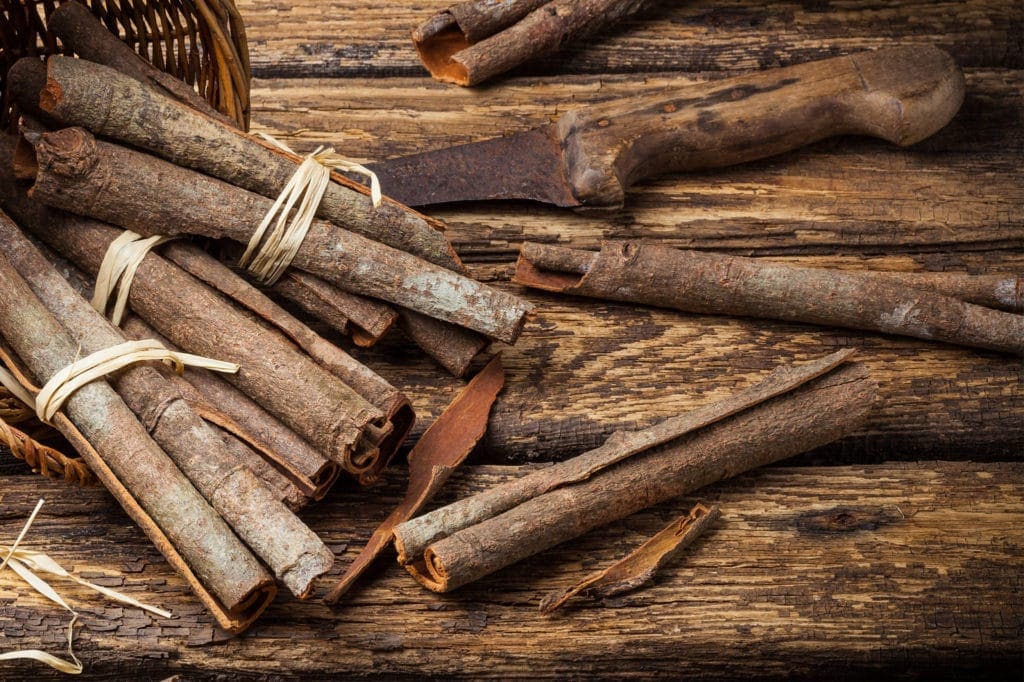
A fragrant oil steam-distilled from the inner bark of cinnamon bushes grown throughout Sri Lanka, Cinnamon Bark Oil is also referred to as “Classic Cinnamon” or “True Cinnamon” for its iconic taste and odor. Though it is sometimes confused with cassia, cinnamon bark has a distinctively unique aroma, exhibiting drier, woodier notes than its more modern counterparts. Warm, spicy, and slightly sweet, cinnamon bark oil is most commonly used in candies, baked goods, and beverages. The oil’s natural antiseptic properties also makes it a popular inclusion in oral care and pharmaceutical products.
CAS #
8015-91-6
Fema
2291
Principle Constituents
Cinnamaldehyde
Refractive Index
1.5730 - 1.5910 @ 20C
Specific Gravity
1.0100 - 1.0300 @ 25C
Region
Sri Lanka


Appearance
Pale Yellow Liquid
Part of Plant
Bark
Extraction Method
Steam Distillation
All scientific, regulatory and technical data is a guide for product identification purposes only. Only Berjé authorized documentation is to be used for validation and confirmation. These documents can be provided upon request.