Bulgarian Rose Update
At first glance, the 2026 Bulgarian rose harvest seemed promising. Winter conditions were favorable, with mild temperatures and sufficient rainfall supporting healthy plant development. As the harvest began, flower volumes were noticeably higher than those seen over the previous two years, suggesting the potential for a strong season.
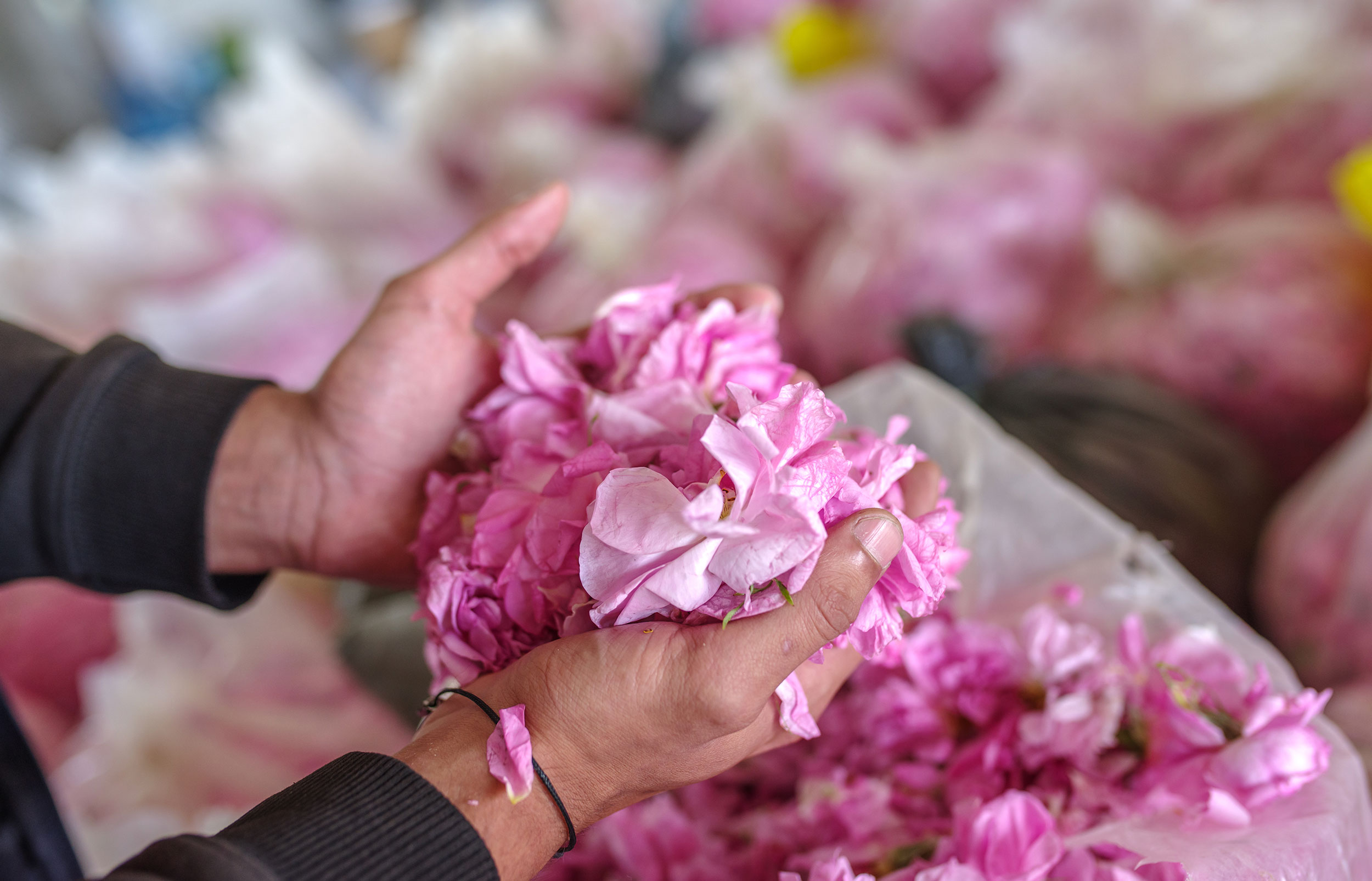
However, that changed during the second half of the campaign, when unusually high temperatures triggered a rapid and concentrated flowering period. Distilleries received record daily volumes of flowers, but the intense heat reduced the amount of essential oil within the petals. Despite the higher flower volumes, oil yields were significantly lower than expected. Producers across the region reported similar conditions, highlighting that flower volume alone is not always an indicator of final oil production. The amount of oil contained within each flower is equally important, and this year’s harvest demonstrated how weather can influence both yield and overall production.
The heatwave also placed additional pressure on harvesting. Rose flowers must be picked quickly and at the right stage of development, but labor shortages became increasingly challenging as the season progressed. Despite higher wages being offered, many growers struggled to attract sufficient workers, with competition from other seasonal crops, particularly cherries, further reducing labor availability. In some cases, flowers remained in the field longer than is ideal before being harvested, affecting both yield and overall oil quality.
Producers were also facing broader economic pressures. Rising energy costs have increased the cost of steam distillation, while inflation has pushed labor costs higher. This year also marked a significant shift in commercial practice, with many growers agreeing flower prices before the harvest rather than after the campaign. Historically flower prices were often determined once the harvest had finished, allowing yields and market conditions to influence the final price. The move towards pre-season contracts represents a notable change for the industry and, with flowers accounting for the largest production cost, is expected to have a lasting influence on the market.
Beyond the harvest itself, sustainability work continued. Berjé Trakia recently completed a successful audit by the Union for Ethical BioTrade (UEBT), with no non-conformities identified. As an active participant in the Bulgaria Rose Working Group, Berjé Trakia is helping to support a collaborative industry initiative, coordinated by UEBT and UNICEF, to strengthen social responsibility, improve traceability, and promote best practice across the Bulgarian rose supply chain.
Bulgarian Rose Oil has long been regarded as one of the fragrance industry’s most iconic natural ingredients. For generations, the annual rose harvest has played an important role in the country’s cultural identity and economy, while the Rose Valley has become synonymous with the production of high-quality Rosa damascena oil used by perfumers around the world. Preserving this heritage depends not only on favorable growing conditions, but also on continued investment throughout the supply chain.
At Berjé Trakia, that commitment extends beyond the harvest itself. Continued investment in production efficiencies at the company’s modern distillery, together with renewable energy initiatives such as solar power, is helping to improve operational efficiency, manage rising energy costs, and support the long-term sustainability of Rose Oil production. These investments are designed to help ensure that one of Bulgaria’s most important natural industries continues to thrive for future generations.
Although more flowers were harvested this year, lower oil yields and rising production costs continue to support a firm market. Higher flower prices, energy costs, and labor expenses are expected to influence market conditions over the coming months, while the changing commercial structure of the Bulgarian rose sector is likely to remain an important factor for producers and buyers alike.
Latest market information
Jul 30th, 2026
Bulgarian Rose Update
At first glance, the 2026 Bulgarian rose harvest seemed promising. Winter conditions were favorable, with mild temperatures and sufficient rainfall supporting healthy plant development. As the harvest began, flower volumes were noticeably higher than those seen over the previous two years, suggesting the potential for a strong season.
However, that changed during the second half of the campaign, when unusually high temperatures triggered a rapid and concentrated flowering period. Distilleries received record daily volumes of flowers, but the intense heat reduced the amount of essential oil within the petals. Despite the higher flower volumes, oil yields were significantly lower than expected. Producers across the region reported similar conditions, highlighting that flower volume alone is not always an indicator of final oil production. The amount of oil contained within each flower is equally important, and this year’s harvest demonstrated how weather can influence both yield and overall production.
The heatwave also placed additional pressure on harvesting. Rose flowers must be picked quickly and at the right stage of development, but labor shortages became increasingly challenging as the season progressed. Despite higher wages being offered, many growers struggled to attract sufficient workers, with competition from other seasonal crops, particularly cherries, further reducing labor availability. In some cases, flowers remained in the field longer than is ideal before being harvested, affecting both yield and overall oil quality.
Producers were also facing broader economic pressures. Rising energy costs have increased the cost of steam distillation, while inflation has pushed labor costs higher. This year also marked a significant shift in commercial practice, with many growers agreeing flower prices before the harvest rather than after the campaign. Historically flower prices were often determined once the harvest had finished, allowing yields and market conditions to influence the final price. The move towards pre-season contracts represents a notable change for the industry and, with flowers accounting for the largest production cost, is expected to have a lasting influence on the market.
Beyond the harvest itself, sustainability work continued. Berjé Trakia recently completed a successful audit by the Union for Ethical BioTrade (UEBT), with no non-conformities identified. As an active participant in the Bulgaria Rose Working Group, Berjé Trakia is helping to support a collaborative industry initiative, coordinated by UEBT and UNICEF, to strengthen social responsibility, improve traceability, and promote best practice across the Bulgarian rose supply chain.
Bulgarian Rose Oil has long been regarded as one of the fragrance industry’s most iconic natural ingredients. For generations, the annual rose harvest has played an important role in the country’s cultural identity and economy, while the Rose Valley has become synonymous with the production of high-quality Rosa damascena oil used by perfumers around the world. Preserving this heritage depends not only on favorable growing conditions, but also on continued investment throughout the supply chain.
At Berjé Trakia, that commitment extends beyond the harvest itself. Continued investment in production efficiencies at the company’s modern distillery, together with renewable energy initiatives such as solar power, is helping to improve operational efficiency, manage rising energy costs, and support the long-term sustainability of Rose Oil production. These investments are designed to help ensure that one of Bulgaria’s most important natural industries continues to thrive for future generations.
Although more flowers were harvested this year, lower oil yields and rising production costs continue to support a firm market. Higher flower prices, energy costs, and labor expenses are expected to influence market conditions over the coming months, while the changing commercial structure of the Bulgarian rose sector is likely to remain an important factor for producers and buyers alike.
Oct 16th, 2025
Rose oil remains volatile. Supply is limited, and demand is strong.
Aug 28th, 2025
Rosa damascena (Damask rose): A late frost followed by heatwaves has reduced yields and complicated harvesting. Prices are up due to limited availability, though oil quality is reportedly strong.
May 8th, 2025
Early signs suggest a strong bloom in Bulgaria. Demand is already high, and pricing is expected to reflect limited early output.
Jun 13th, 2024
The rose harvest in Bulgaria has ended. Despite the extremely early start to the rose season, flower productivity in Bulgaria seemed to be quite strong in 2024, with yields per hectare improving year-over-year. Many farmers have made renewed efforts to improve their fields and the weather remained fair for flower production within Rose Valley during this year’s longer than average season. A future concern regarding Rose Oil production in Bulgaria is labor – there are an estimated 25,000 rose pickers currently operating within Bulgaria, which is a 50% decline compared to the 50,000 pickers expected during an optimal season. There are many reasons behind the recent lack of workers including inflation rates, competition from other crops, and increasing overhead costs related to rose production. Despite these issues, our team at Berjé Trakia remain confident that recent improvements to our supply chain in Bulgaria will result in long-term benefits for sustainable Rose Oil.